
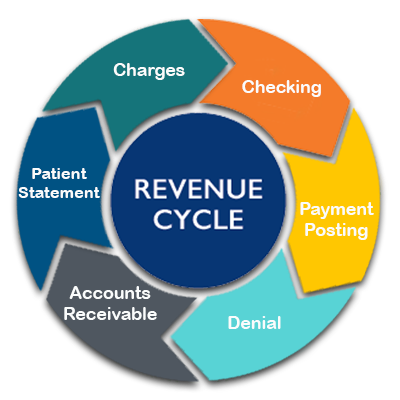
Every step of the patient journey — from the first phone call to schedule an appointment to the final payment of their bill — is a revenue cycle touchpoint. When any single touchpoint breaks down, it creates friction that costs your practice money and erodes patient trust.
FIVE STEPS TO DESIGN A PATIENT-CENTERED REVENUE CYCLE
- START REVENUE CYCLE CONVERSATIONS BEFORE THE VISIT — Verify insurance, confirm co-pays, and communicate estimated patient responsibility before the appointment. Patients who know what they owe in advance are significantly more likely to pay at the point of service. This shift moves collections from reactive to proactive.
- SIMPLIFY YOUR BILLING STATEMENTS — Patients routinely receive two documents: a provider billing statement and an insurance Explanation of Benefits (EOB). Redesign your billing statement to clearly state services rendered, what insurance paid, and what the patient owes — in plain language. Reduce confusion, increase payment.
- OFFER DIGITAL PAYMENT OPTIONS — Online bill pays, patient portal payments, and text-to-pay reminders meet patients where they already are. Practices offering digital payment options collect 2.5 times as many patient payments as those relying on paper statements alone (MGMA). The technology investment pays for itself within the first billing cycle.
- IMPLEMENT A PATIENT FINANCIAL ASSISTANCE WORKFLOW — With patient out-of-pocket costs rising due to high-deductible health plans, practices must have a clear financial assistance process. A payment plan option, charity care policy, or financial counselor touchpoint prevents bad debt and preserves the patient relationship.
- TRACK AND REVIEW REVENUE CYCLE REPORTS CONSISTENTLY — Daily, monthly, and quarterly revenue cycle reports give your team visibility into performance trends before they become crises. A productivity report per clinician — services provided, charge capture, and collections — is valuable for monitoring practice financial health.
CALL TO ACTION
This week, ask your billing team one question: ‘What is the most common reason patients call confused about their bill?’ The answer is your highest-priority process improvement.